

LASER CUTTINGLASER JOB SHOPLASER SYSTEMS INTEGRATIONLASER WELDING
Using Laser Cutting for Stainless Steel
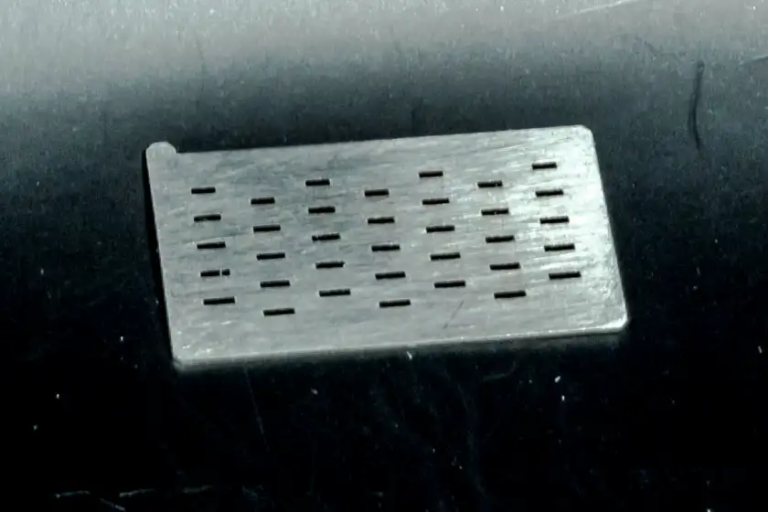
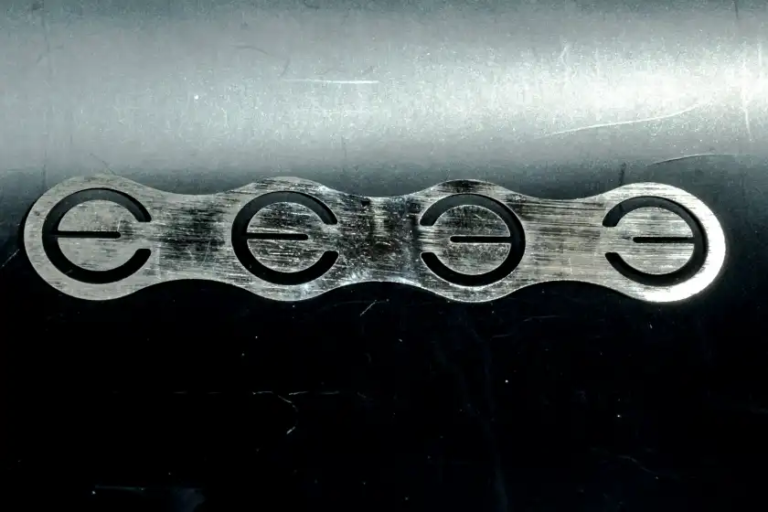
When a part has to be accurate, corrosion resistant, and ready to perform, laser cutting stainless steel is hard to beat. Whether you are building medical components, food-processing equipment, architectural panels, or industrial enclosures, a laser delivers fine detail, tight tolerances, and repeatable quality without the tooling costs of stamping or punching. At Laser-Advantage.com, our laser job shop services are built around helping customers get exactly that: precise stainless steel parts, delivered on schedule.
This guide explains how laser cutting stainless steel works, why it is such a popular choice, and what to consider before you request a quote.
Why Stainless Steel and Laser Cutting Are a Natural Fit
Stainless steel is valued for its strength, corrosion resistance, and clean appearance. It is also harder to machine than mild steel, and it can be unforgiving when cut with methods that introduce a lot of heat or mechanical stress. Laser cutting addresses these challenges well.
A laser focuses a highly concentrated beam of light onto the material, melting or vaporizing a very narrow path while an assist gas clears the molten metal away. Because the beam is so small, the kerf (the width of material removed) is minimal, the heat-affected zone is limited, and the cut edge is typically smooth and ready for the next step. There is no physical tool contacting the sheet, so there is no tool wear and very little part distortion on properly supported material.
Key Benefits of Laser Cutting Stainless Steel
Tight tolerances and fine detail. Lasers can cut intricate shapes, small holes, slots, and sharp internal corners that are difficult or costly with other processes. Complex geometries often cost no more to cut than simple ones.
Clean, high-quality edges. When the process is dialed in for the material and thickness, laser-cut stainless often needs little or no secondary finishing. That saves time and keeps your total part cost down.
Fast turnaround. There are no dies to build and no hard tooling to wait on. Your CAD file goes to the laser, which makes it ideal for prototypes, short runs, and production quantities alike.
Efficient material use. Parts can be nested closely together on a sheet, reducing scrap. With stainless steel prices being what they are, that efficiency matters.
Repeatability. The hundredth part matches the first. For customers who reorder, that consistency is essential.
How Assist Gas Affects Stainless Steel Cut Quality
One of the most important details in laser cutting stainless steel is the choice of assist gas.
Nitrogen is the standard choice when appearance and corrosion resistance matter. It prevents oxidation at the cut edge, leaving a bright, clean finish that is ideal for parts that will be visible, welded, or used in sanitary applications.
Oxygen can cut some thicker material faster, but it creates an oxide layer on the edge. That may be acceptable for parts that will be ground, painted, or otherwise finished, but it is not usually the best option when stainless steel’s corrosion resistance needs to be preserved right at the edge.
A good laser job shop will recommend the right approach based on how your part will be used, not just how fast it can be cut.
Stainless Steel Grades and Thicknesses
Not all stainless steel behaves the same way under a laser. Common grades include:
- 304 stainless steel: the most widely used grade, offering a great balance of corrosion resistance, formability, and cost.
- 316 stainless steel: better resistance to chlorides and harsh chemicals, often chosen for marine, medical, and chemical-processing applications.
- 430 stainless steel: a magnetic ferritic grade often used in appliances and decorative applications.
Fiber lasers in particular excel at cutting stainless steel, handling thin and medium gauge sheet quickly and accurately. If you are unsure which grade or thickness is right for your application, our team can help you weigh performance against cost before you commit to material.
Common Applications for Laser-Cut Stainless Steel
The versatility of this process shows up across many industries:
- Medical and surgical device components
- Food and beverage processing equipment
- Electronics enclosures and brackets
- Architectural and decorative panels
- Signage and custom fabrication
- Automotive and aerospace components
- Industrial machinery guards and covers
If your project is not on this list, that does not mean we cannot help. Drop us a note and let us know about the details of your project and see if we can help!
Why Choose Laser-Advantage.com for Laser Cutting Stainless Steel
At Laser Advantage, LLC, laser cutting is one part of a broader set of job shop laser services that also includes laser drilling, laser marking, and laser welding as well as Laser Systems Integration and Laser Service and Systems support. That means you can often keep more of your project under one roof, from cutting your stainless steel parts to marking part numbers or welding assemblies, with fewer handoffs and fewer delays.
We work with engineers, fabricators, and manufacturers who need parts they can count on. Whether you need a single prototype or an ongoing production run, we focus on quality, communication, and on-time delivery.